About Neely Myers, Ph.D.
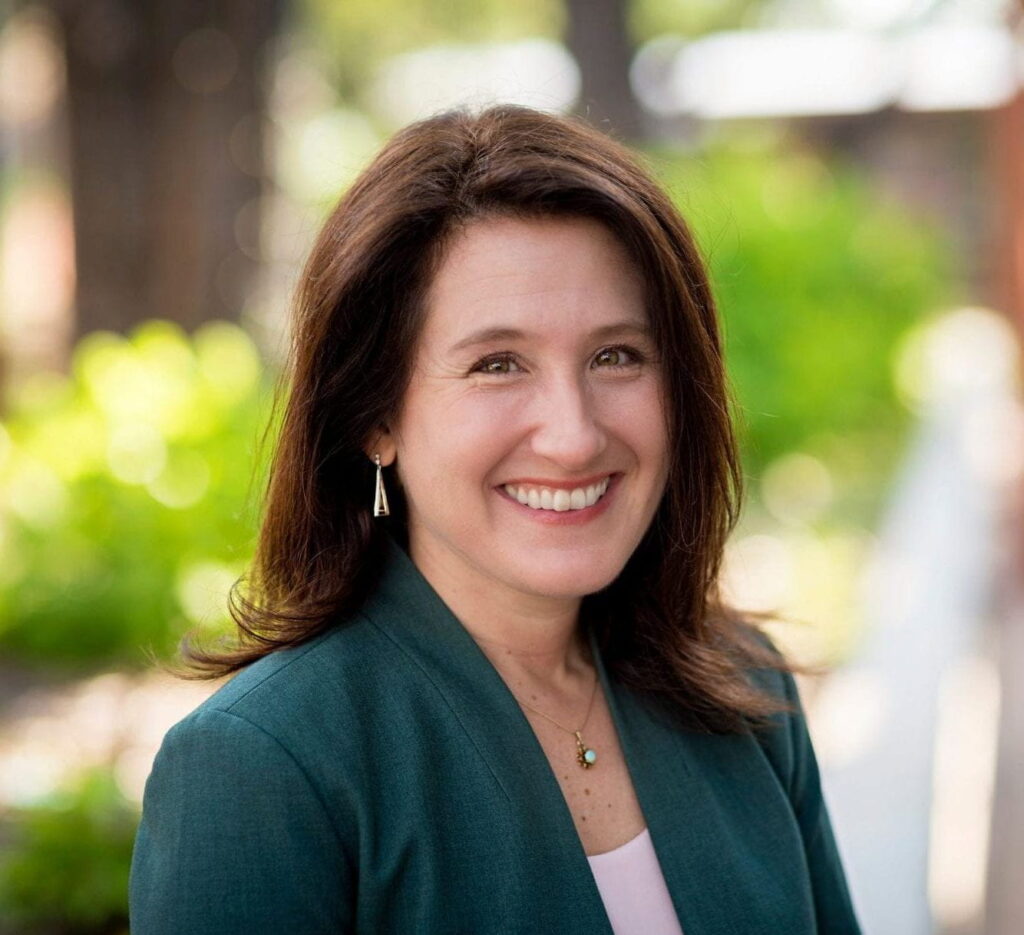
Neely Laurenzo Myers, PhD, is a medical and psychological anthropologist whose scholarship focuses on experiences, understandings and treatments for mental health and substance use concerns in the United States and Tanzania. A central theme of her scholarship is moral agency—the intention and ability to act like, and be recognized as, a “good” person among those who matter most to you for living a meaningful life. Through long-term ethnographic research and interdisciplinary collaborations, Myers has developed insight into how moral agency is shaped through intimate relationships, cultural rules for self-worth, and material forces, and how these dynamics influence mental health recovery trajectories, youth transitions to adulthood, and systems of care.
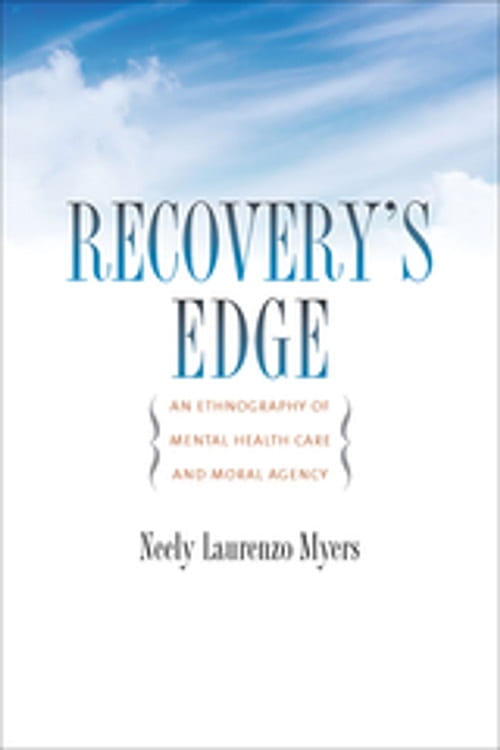
She is the author of two books. The recent Breaking Points: Youth Mental Health Crises and How We Can All Help (University of California Press, 2024) is based on three years of ethnographic research funded by the U.S. National Institute of Mental Health. This work examines how diverse youth, families and communities navigate moral and institutional complexities during mental health crises. Her first book, Recovery’s Edge: An Ethnography of Mental Health Care and Moral Agency (Vanderbilt University Press, 2015), is widely cited for its ethnographic insight into US mental health systems. She has published more than 40 articles and book chapters, the Editor-in-Chief of Culture, Medicine, and Psychiatry.
At SMU, Myers is a tenured Professor and Chair of Anthropology and she also directs the Mental Health Innovations Lab where she mentors students from the undergraduate to postdoctoral level. Over the last year, she has given invited talks for the federal government, and clinical and international audiences, as well as published two op-eds in the Dallas Morning News and San Antonio Express-News, demonstrating her commitment to engaging the broader public.
Her new project explores moral agency in the perilous and promising context of youth relationships with AI, with a focus on the power of creative expression, empathy, and mutual recognition. By centering youth moral agency as a moral determinant of health, this work develops actionable, culturally grounded approaches to one of the most pressing problems of our time—youth mental health—in a way that speaks to both scholarly and public audiences.
Mental Health Crisis Innovations
Dr. Myers has been engaging with persons with lived experience, clinicians, communities, and youth around topics related to youth mental...
American Wilderness Rites of Passage
Dr. Myers has engaged in research on American wilderness rites of passage and their transformative potential for mental health since...
Young Minds and AI
Dr. Myers latest project, started in Spring 2025, focuses on the ways young people are using artificial intelligence to support...
Minds on Art
In Summer 2023, Dr. Myers initiated a project on creativity and mental health, starting primarily with the visual arts to...
Caregiver Networks for Mental Health in East Africa
This research, which began in 2013, has focused on various experiences of hearing distressing voices in Tanzania–the main symptom for...
Homeless Innovations and Jail Diversion
The lab served as one hub for a national research project identifying innovative approaches to chronic homelessness in major cities...
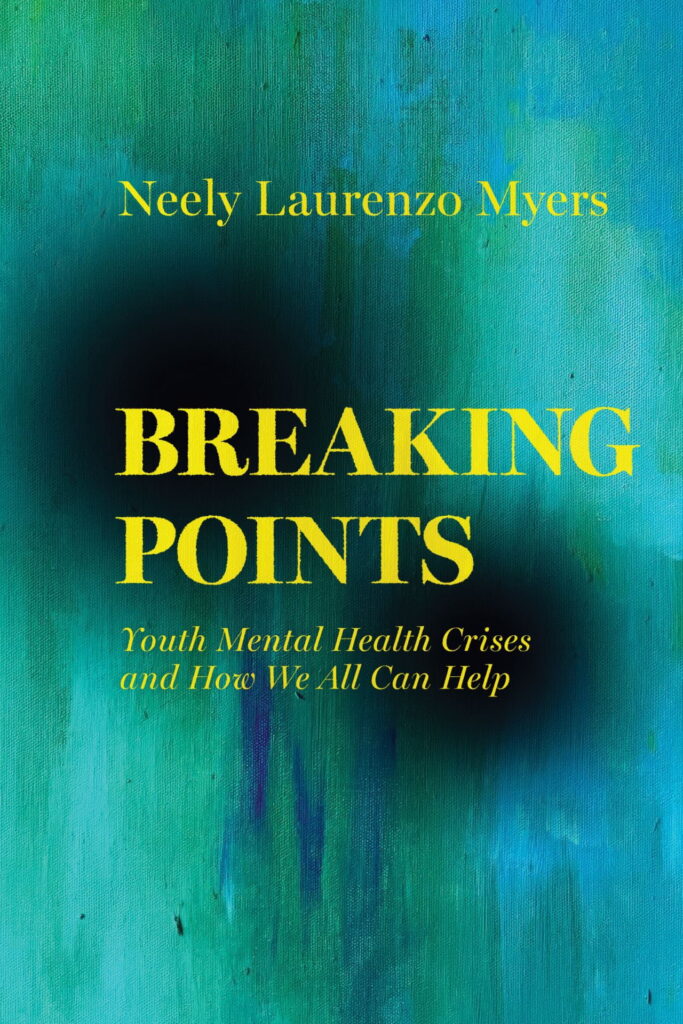
Breaking Points: Youth Mental Crises and How We All Can Help
Unprecedented numbers of young people are in crisis today, and our health care systems are set up to fail them.
Breaking Points explores the stories of a diverse group of American young adults experiencing psychiatric hospitalization for psychotic symptoms for the first time and documents how patients and their families make decisions about treatment after their release. Approximately half of young people refuse mental-health care after their initial hospitalization even though better outcomes depend on early support.
In attempting to determine why this is the case, Neely Laurenzo Myers identifies what matters most to young people in crisis, passionately arguing that health care providers must attend not only to the medical and material dimensions of care but also to a patient’s moral agency.